

What is a raw meat diet for pets?
A raw meat diet is a natural diet for carnivorous pets. Cats are obligate carnivores—biologically designed to eat a diet primarily of animal protein. Dogs are generally considered facultative carnivores (they tolerate some plant nutrients) and some argue they’re omnivores.
The two common approaches are BARF (Biologically Appropriate Raw Food) and PMR (Prey Model Raw). Both are uncooked meat, bones, and organs fed in ratios that mimic whole prey.

Foundational Ratios
Typical prey-mimicking ratios (by weight):
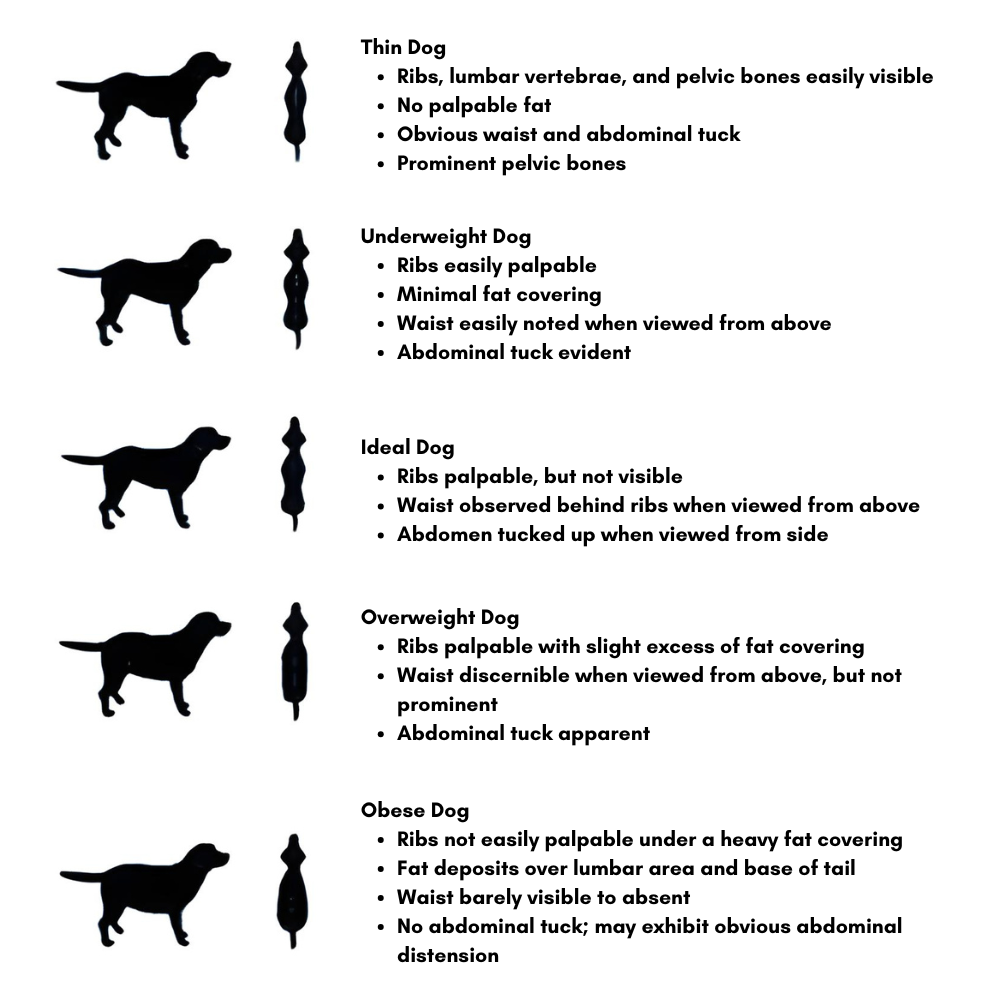
Dog Body Condition Reference
Raw Feeding FAQ
Is raw feeding safe for my pet?
Yes—when sourced and handled properly, a raw diet is safe and highly beneficial. Follow proper feeding guidelines, hygiene practices, and buy from reputable suppliers like CarniPaws.
What are the benefits of a raw meat diet?
Owners commonly report improved skin, gut, and dental health, better weight maintenance (supporting joints), and higher energy. While robust peer-reviewed studies are limited, fresh, minimally processed food aligns with pets’ biology.
[1] Nick Thompson, A Sceptic’s Guide to Raw Food (BSc (Hons) Path Sci., BVM&S, VetMFHom, MRCVS)How do I transition my pet to a raw diet?
Dogs are usually easy; cats can be picky. You can switch “cold turkey,” or start with 25% raw / 75% current food for 2–3 days and increase the raw portion over 7–10 days.
How much raw food should I feed per day?
- Dogs: 2–3% of ideal adult body weight daily.
- Cats: 2.5–3% of ideal body weight daily.
Can puppies and kittens eat raw food?
Yes. Puppies and kittens should receive complete balance at every meal; adults can be balanced over a week. Consult a raw-savvy vet or specialist for growth-stage nutrition.
How do I check my dog’s body condition score (BCS)?
Feel the ribs (they should be palpable without heavy fat), look from above for a defined waist, and from the side for an abdominal tuck. See our Body Condition Reference image above for quick cues from thin to obese.
How should I handle and store raw food?
- Keep frozen; thaw in the fridge. Don’t leave out for long periods.
- Wash hands, tools, and surfaces after handling.
- Use stainless steel or ceramic bowls; wash after each meal.
Do I need to add supplements?
Balanced raw diets usually need no extras. Some owners add fish oil, probiotics, or other boosters based on individual needs—ask us for guidance.
Is raw food more expensive than kibble?
It depends on what you currently feed. Compared to premium kibbles, costs can be similar, with potential long-term savings via better overall health.
Can I mix raw food with kibble?
Yes—especially during transition. Add fresh toppers to kibble (reduce kibble by the same weight) or alternate meals. Always hydrate kibble.
Do you deliver?
Yes! We offer convenient delivery options to keep your freezer stocked and your pets happy.